
A Complete Guide to Fence Installation in Polk County
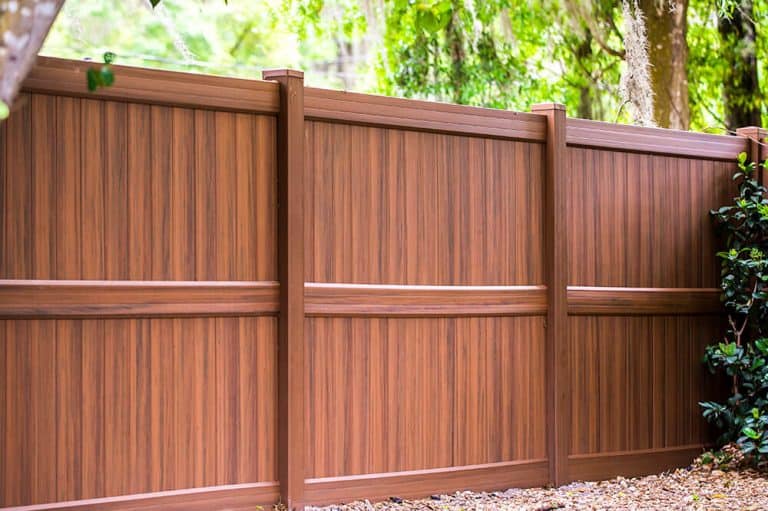
Few things elevate a property’s aesthetics and functionality quite like a well-crafted fence. Whether it’s the allure of added privacy, the security of keeping your space enclosed, or the simple charm of enhancing curb appeal, fences stand as silent guardians of our homes and businesses. In the vibrant heart of Central Florida, fence installation in Polk County has become a popular way for property owners to redefine their outdoor spaces while ensuring compliance with local regulations.
Understanding the Local Landscape
Polk County is a region where modern development meets lush natural beauty. From the scenic lakes of Lakeland to the historic neighborhoods in Bartow and Winter Haven, every community has its unique architectural rhythm. Installing a fence here isn’t merely about hammering posts into the soil it’s about harmonizing with the environment and adhering to the county’s construction norms.
Before breaking ground, it’s essential to understand that fence installation in Polk County requires more than design inspiration. You’ll need to navigate local ordinances, acquire permits, and follow community-specific rules. Each municipality, particularly Lakeland, has distinct guidelines that homeowners must respect.
Navigating Fence Permits and Legalities
The first step toward a compliant installation involves securing a fence permit Lakeland FL authorities require for most residential and commercial projects. The permit process might sound tedious, but it ensures safety, uniformity, and respect for property lines.
When applying for your fence permit Lakeland FL, you’ll typically need to provide:
- A detailed site plan showcasing property boundaries and proposed fence location
- Specifications of materials and height
- Contractor information (if applicable)
- Proof of ownership or authorization from the property owner
City officials use this documentation to confirm that your plans align with Lakeland fence building codes, which dictate fence height limits, material restrictions, and setback requirements. For instance, front yard fences often have stricter height regulations than those in backyards to maintain visibility and aesthetic consistency within neighborhoods.
The Importance of Lakeland Fence Building Codes
Understanding Lakeland fence building codes is crucial for avoiding future headaches. These codes serve as a blueprint for safe and visually cohesive development across the city. Failure to comply can result in fines, mandatory reconstruction, or the complete removal of the structure none of which are desirable outcomes for any homeowner.
Some noteworthy points under Lakeland fence building codes include:
- Fences in residential zones typically cannot exceed six feet in height.
- Corner lots often require visibility triangles, meaning fences must not obstruct the line of sight for drivers or pedestrians.
- Certain materials, such as barbed wire or electrified fencing, may be restricted to agricultural or industrial zones.
- Setbacks from sidewalks, roads, or neighboring properties must be maintained to prevent encroachment.
By adhering to these guidelines, property owners not only protect their investment but also contribute to maintaining the visual and structural integrity of Polk County communities.
Choosing the Right Fence Material
Once the legal groundwork is in place, the next step is material selection a decision that dramatically influences both appearance and longevity. Central Florida’s humid subtropical climate demands durable materials that can withstand heat, moisture, and the occasional tropical storm.
Popular choices include:
- Vinyl fencing – Low-maintenance and resistant to rot or termites, vinyl offers sleek aesthetics with minimal upkeep.
- Wood fencing – A timeless favorite, wood provides warmth and character but requires periodic sealing to prevent warping.
- Aluminum fencing – Perfect for decorative or pool enclosures, it’s lightweight, corrosion-resistant, and elegant.
- Chain-link fencing – Cost-effective and sturdy, this option suits both residential and commercial security applications.
- Composite fencing – A modern blend of recycled wood fibers and plastic, offering sustainability without sacrificing strength.
Your choice should align with the property’s purpose privacy, security, or purely decorative flair and harmonize with neighborhood aesthetics.
The Installation Process
A successful fence installation in Polk County is part craftsmanship, part precision engineering. The process usually unfolds in several methodical steps:
- Site Assessment: A thorough inspection of soil conditions, property lines, and underground utilities.
- Marking and Layout: Using stakes and string to outline the fence’s exact position.
- Post Installation: Setting sturdy posts often the most critical step for long-term stability.
- Panel Attachment or Construction: Attaching rails, pickets, or panels in alignment with the initial blueprint.
- Finishing Touches: Applying treatments, paint, or protective coatings to enhance longevity.
Hiring an experienced contractor familiar with Polk County’s topography and municipal requirements can save time and prevent costly errors. Local professionals often have established relationships with inspection departments, simplifying the permit process.
Maintenance and Longevity
Once the fence stands tall, maintenance becomes the key to preserving its beauty and function. Regular cleaning, sealing (for wood), or occasional tightening of hardware ensures that your investment remains pristine. Vinyl and aluminum options may require only seasonal rinsing to remove dirt or pollen buildup.
In Lakeland’s climate, paying attention to moisture management is vital. Proper drainage around fence posts prevents water accumulation, which can lead to rotting or rusting over time. For wooden fences, using pressure-treated lumber and weather-resistant sealants is highly recommended.
Enhancing Curb Appeal
Beyond functionality, fences contribute significantly to a property’s visual identity. A white picket fence still evokes classic Americana, while modern horizontal slat designs exude contemporary sophistication. Adding decorative post caps, integrated lighting, or climbing greenery can elevate an ordinary fence into a standout landscape feature.
In newer Lakeland developments, homeowners often pair fences with landscaping think flowering hedges, pebble borders, or ornamental grasses to create seamless transitions between hardscape and nature. The result is both secure and inviting.
The Value of Professional Expertise
While DIY projects are increasingly popular, fence installation in Polk County benefits greatly from professional oversight. Local contractors bring not only skill but also familiarity with Florida’s soil conditions, zoning nuances, and changing regulations. Their expertise helps avoid pitfalls like incorrect post depth, uneven grading, or overlooked setback lines.
Moreover, professionals can handle the paperwork for your fence permit Lakeland FL, ensuring swift approval. They’re also up to date on any modifications to Lakeland fence building codes, which may evolve to accommodate new materials or environmental standards.
Final Thoughts
A fence is more than a boundary it’s an extension of your home’s character and a testament to thoughtful planning. In Polk County, where community aesthetics and local pride run deep, a well-designed fence enhances not just individual properties but entire neighborhoods. Whether aiming for rustic charm or modern minimalism, following proper procedures and respecting local codes ensures a result that’s both beautiful and enduring.
Investing time in understanding fence installation in Polk County, securing the right fence permit Lakeland FL, and complying with Lakeland fence building codes transforms what might seem like a simple project into a polished, lasting achievement. It’s a blend of art, craftsmanship, and civic mindfulness standing tall for years to come.


